
Sunscreen is a modern-day essential, but the concept of protecting the skin from the sun’s harmful rays has existed for thousands of years. As we embrace sun safety today, it’s fascinating to look back at the history of sunscreen, how it evolved, and the innovations that led to today’s advanced formulas like Nantucket Gold. Here’s a brief journey through time, from ancient civilizations to the sunscreen we know and love.
Ancient Sun Protection: The Early Days
Long before the term “sunscreen” was even coined, ancient civilizations were already seeking ways to shield themselves from the sun. In ancient Egypt, both men and women would use oils, creams, and pastes made from natural substances like olive oil, rice bran, and jasmine. These early concoctions helped protect their skin from the harsh sun of the desert. While these methods weren’t effective against UV radiation in the way modern sunscreens are, they did offer some level of defense against sunburn.
The Greeks and Romans also had their own approaches to sun protection. The Greeks used olive oil not just for moisturizing but also for its protective properties against the sun. Meanwhile, Roman women would often shield their faces with veils or hats to avoid sun exposure. Sunscreen as we know it, however, was still centuries away.
The 20th Century: Birth of Modern Sunscreen
The real breakthrough in sun protection came in the early 20th century. In 1928, a German chemist named Franz Greiter invented the first commercially available sunscreen. He called it **Greiator**, and it was marketed as a way to prevent sunburn, especially for those participating in outdoor activities like skiing and mountaineering. This marked the birth of the modern sunscreen industry.
Soon after, in the 1930s, **chemists began experimenting with the first sunscreen formulas**, using compounds like **benzophenone**, which absorbed UV rays. These early sunscreens were far from perfect—while they helped prevent sunburn, they didn’t offer broad-spectrum protection, and the formulas were often thick, greasy, and uncomfortable to wear.
1940s-1950s: The Rise of SPF
The 1940s and 1950s saw major advancements in sunscreen technology. In 1944, **waterproof sunscreens** were developed, enabling swimmers to stay protected while in the water. But the most important development came in 1962 when **the Sun Protection Factor (SPF)** system was introduced by Australian dermatologist **Dr. Franz Greiter** (the same chemist who invented the first sunscreen). This provided a way to measure the effectiveness of a sunscreen, allowing consumers to choose products that offered better protection against sunburn.
SPF ratings quickly became a standard in the industry, with higher SPF numbers offering more protection. This was a pivotal moment in sunscreen development, as people became more aware of the dangers of sun exposure and the need for sun protection.
1970s-1980s: Sunscreen Goes Mainstream
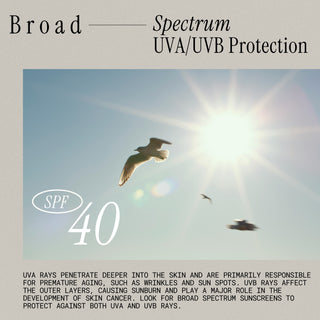
During the 1970s and 1980s, sunscreen became a household staple, thanks to increased awareness about the risks of skin cancer and the growing popularity of beach vacations. Sunscreens started to improve, with **broad-spectrum formulas** designed to protect against both UVA and UVB rays—UVA rays cause premature aging, while UVB rays are responsible for sunburn.
By the 1980s, **water-resistant formulas** and **spray sunscreens** made sun protection more convenient for outdoor enthusiasts. The introduction of **non-greasy formulas** also made sunscreens more user-friendly, appealing to a broader audience.